

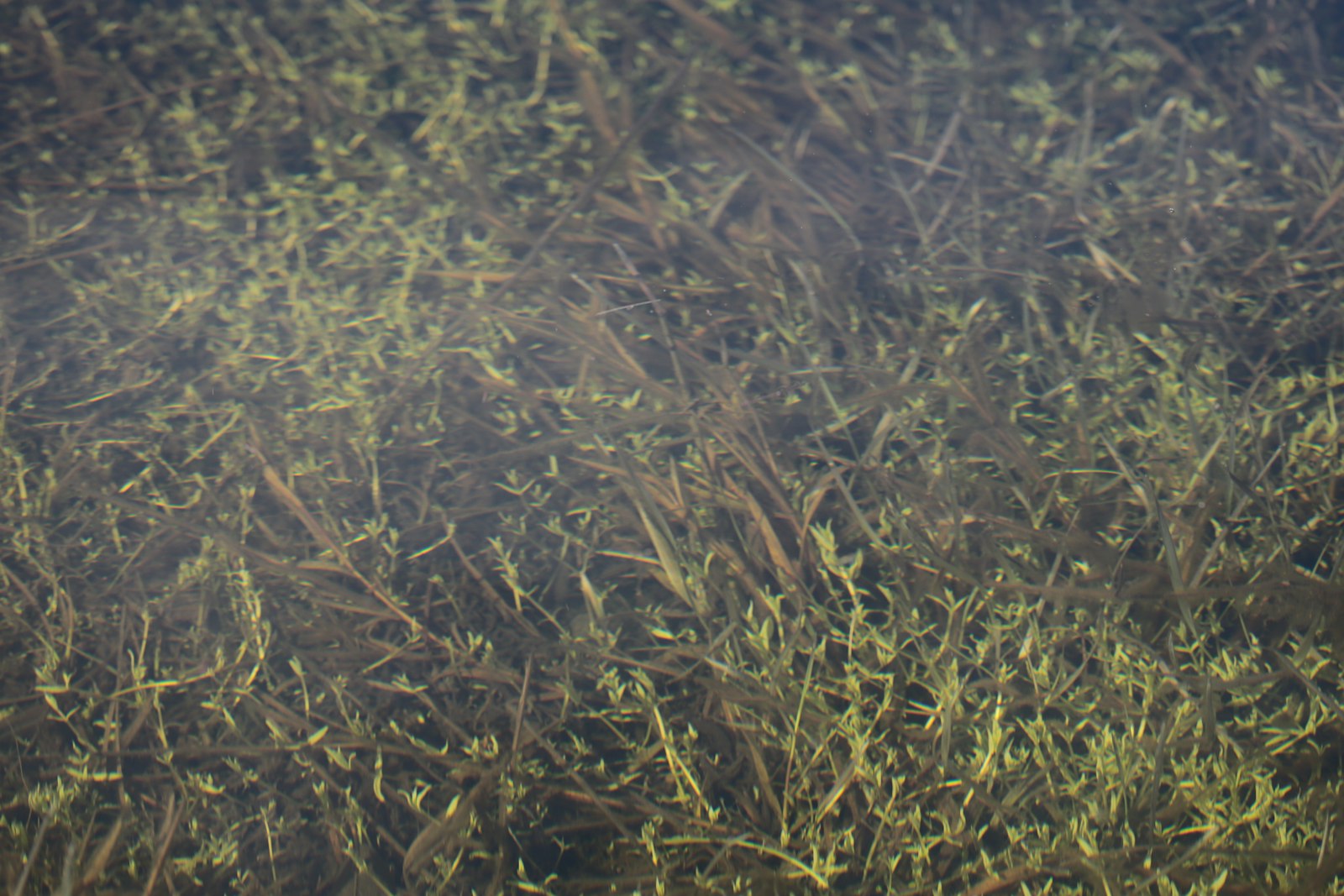
In the very first years of building Ecopark Vaya, one of our important conservation activities concerned the protection of the lake mussels that inhabit the aquatic ecosystems of the area.
In 2015–2016 an activity was carried out to preserve, protect and breed lake mussels, with the clear aim of helping to conserve this valuable but often overlooked aquatic organism. Although not very visible to people, mussels have an extremely important role in nature. They take part in the natural purification of the water, help maintain the balance of aquatic ecosystems and are an indicator of the condition of the environment in which they live.
Lake mussels are sensitive to pollution, changes in the water regime, habitat destruction and human interference. When conditions in a water body deteriorate, these organisms are among the first to suffer. That is why their presence is a sign of a living, functioning ecosystem, and caring for them is part of the wider care for the water, the shores and the biodiversity around Vaya.
The work at Ecopark Vaya was aimed at preserving the existing specimens, providing better conditions for their development and supporting their natural reproduction. It required persistence, observation and an understanding of the needs of the species, since such organisms cannot be protected by one-off actions, but only by patient, long-term care.
For us, protecting the lake mussels was an important part of building Ecopark Vaya as a place where nature is not seen merely as a backdrop, but as a living system of interconnected species. Every mussel, every aquatic plant, every bird and every animal has its role in maintaining this balance.
The project was carried out with our own funds, personal labour and constant commitment. It was not part of a large external campaign, but of the consistent work that the Via Pontica Foundation has been developing in the Vaya area from the very beginning: fieldwork, care for habitats and concrete actions to protect species.
Since 2015 Ecopark Vaya has been built as a space where people can come closer to nature, but also as a place where wild species find protection and conditions for life. The work to preserve, protect and breed lake mussels is part of that story.
Today it remains one of the early examples of our approach to conservation: attention to detail, care for the less visible species, and the understanding that true nature conservation begins precisely with such concrete, timely and consistent actions.
Project summary
Project: Preservation, protection and breeding of lake mussels
Year: 2015–2016
Location: Ecopark Vaya
Activity: preserving lake mussels, protecting aquatic habitats, supporting the reproduction and development of the species
Funding: own funds and volunteer work
Status: completed
Photo: Sean Thoman / Unsplash