

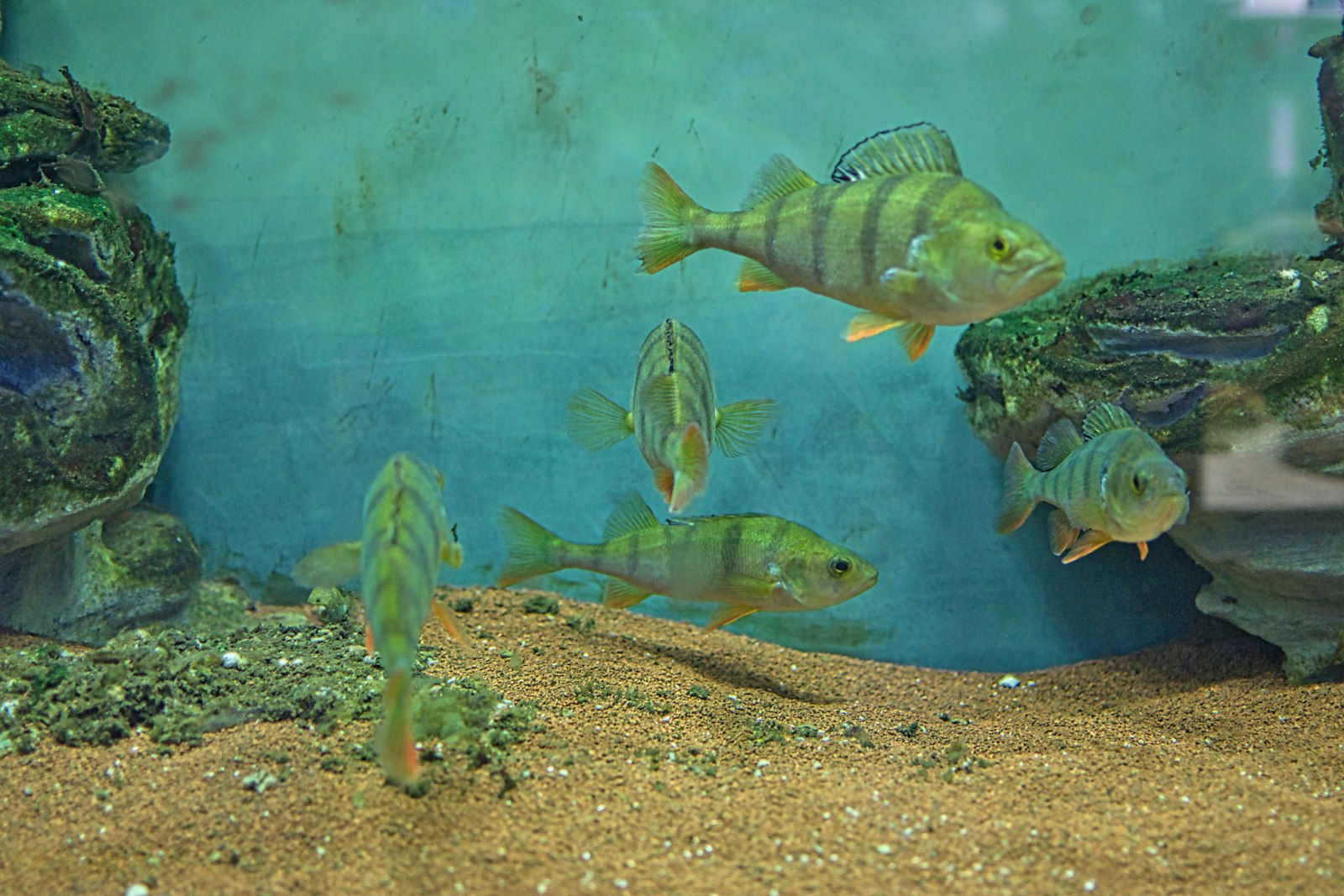
Alongside the stocking with carp, silver carp, tench, grass carp and sturgeon, Ecopark Vaya pays special attention to the fish that live in its waters naturally – the native species that were here long before us.
The waters of the ecopark hold perch, bleak, European bitterling, European eel, gobies and other native species. Each of them says something about the health of the water body.
The perch is a predator that regulates the numbers of small fish and keeps the balance in the water. The bleak moves in large schools near the surface and is a staple food for fish-eating birds. The European bitterling has one of the most unusual stories in nature – it lays its eggs inside living freshwater mussels, where the young develop in safety. That is why protecting the lake mussels, which the ecopark began back in 2015, is also protecting the bitterling. The European eel, in turn, is one of the most endangered fish species in the world – it is born in the Sargasso Sea, crosses the Atlantic to reach our waters and, years later, sets off on the journey back.
In 2022 the ecopark began systematically documenting the native fish species in its ponds and maintaining conditions for them: the connection of the ponds to the lake through the canals, bankside vegetation for spawning, and quiet areas where the fish can breed undisturbed.
This activity is carried out with our own funds and labour. It complements the stocking with a clear understanding that a healthy aquatic ecosystem is measured not only in kilograms of fish, but in the diversity of the species that live in it.
The little perch darting through the shallows of the ecopark are perhaps the simplest proof that the water of Vaya is alive.
Project summary
Project: Protection and documentation of native fish species
Year: 2022
Location: Ecopark Vaya
Activity: documenting the native species (perch, bleak, European bitterling, European eel, gobies and others), maintaining the connection to the lake and the spawning areas
Funding: own funds and volunteer work
Status: completed, ongoing
Photo: David Billington / Unsplash