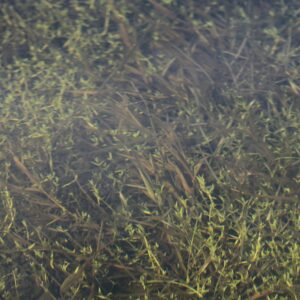
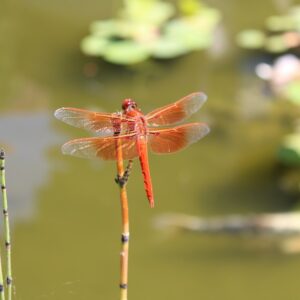
In 2017 Ecopark Vaya continued to develop as a place where care for nature is not limited to the visible and familiar animals, but extends to the smaller yet extremely important inhabitants of the wetlands. Among them, dragonflies hold a special place. Dragonflies are among the most ancient insects on the planet. Their ancestors existed...
Author: Екопарк Вая (Екопарк Вая )
Lake Mussel Conservation Project
In the very first years of building Ecopark Vaya, one of our important conservation activities concerned the protection of the lake mussels that inhabit the aquatic ecosystems of the area. In 2015–2016 an activity was carried out to preserve, protect and breed lake mussels, with the clear aim of helping to conserve this valuable but...
An Island for Land Tortoises
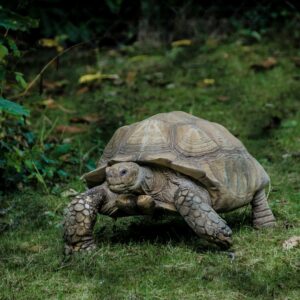
Right at the start of the construction of Ecopark Vaya in 2015, one of our first conservation activities was the creation of a specially designated island for land tortoises. This place was made with a clear purpose: to provide a quiet, protected and suitable environment for the tortoises that live in the area, as well...
The Dry Gully and the Triangular Pond: A Habitat for Pheasants and Pelicans
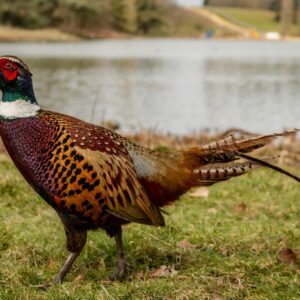
Not every valuable habitat is tied to water. In Ecopark Vaya the dry gully that runs down to the triangular pond long looked like an unimportant place – dry ground overgrown with scrub. Yet it was there that nature showed how valuable even ‘unattractive’ land can be. The gully was left to develop naturally and...
White-tailed Eagles and Marsh Harriers over Vaya
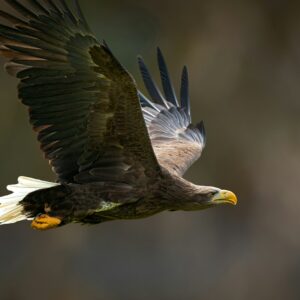
The white-tailed eagle is the largest bird of prey in Bulgaria – with a wingspan of up to about two and a half metres, a powerful yellow bill and, in adults, a distinctive white tail. It is a protected species listed in the Red Data Book of Bulgaria, and only a small number of pairs...
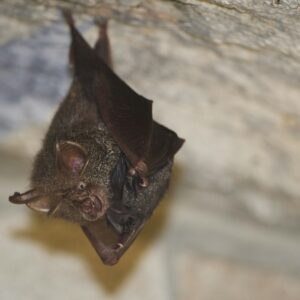
Bats – the Night Guardians of the Ecopark
When the sun sets over Vaya and the birds settle down, other hunters come out over the water. Bats are the only mammals capable of flight and some of the most useful inhabitants of wetlands. A single small bat can eat hundreds of mosquitoes and other insects in one night. All bat species in Bulgaria...
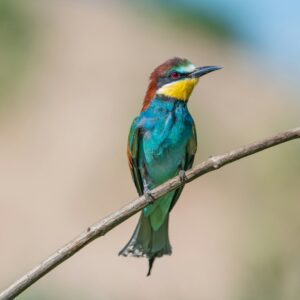
Bee-eaters – the Colourful Guests Who Stayed
The European bee-eater is one of the most beautiful birds in Europe – with turquoise, golden and chestnut plumage, a long curved bill and a distinctive ringing call. It spends the winter in Africa and returns in spring to nest in colonies, digging long tunnels into vertical sandy or clay banks. The bee-eater is a...
Ecopark Vaya as an Open Laboratory: Students, Scientists and Volunteers
A wetland with nearly 270 bird species, dozens of species of fish, amphibians, reptiles and mammals, and more than 90 plant species is a natural laboratory. Since its opening, Ecopark Vaya has opened its doors to those who want to study nature – students, scientists and volunteers. Much of the research is carried out by...
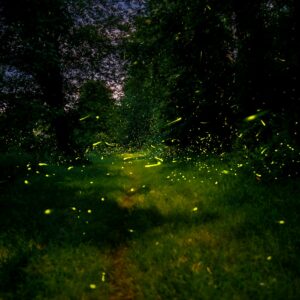
A Habitat for Fireflies: Bringing the Light Back to Summer Nights
There are experiences that the generations before us took for granted and that are becoming rarer today. One of them is the sight of fireflies on a warm summer night. Fireflies are vanishing from many places in Europe because of light pollution, pesticides and the draining of the wet meadows in which they live. Fireflies...
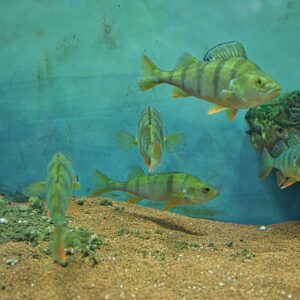
Native Fish Species: Perch, Bleak, Bitterling and the Other Inhabitants of Vaya
Alongside the stocking with carp, silver carp, tench, grass carp and sturgeon, Ecopark Vaya pays special attention to the fish that live in its waters naturally – the native species that were here long before us. The waters of the ecopark hold perch, bleak, European bitterling, European eel, gobies and other native species. Each of...